
What This Guide Covers
- Why rural dating follows nature's clock, not a city calendar.
- How to keep romance alive during planting and harvest crunch.
- Practical scheduling during calving and lambing season.
- Winter loneliness - and what really helps on a quiet country evening.
- Holiday traditions worth sharing with someone new.
- Four simple ways to plan dates around unpredictable weather.
Why Rural Dating Runs on Nature's Clock
Country online dating is not harder than city dating - it is simply seasonal. If you have spent a lifetime on a farm or in a rural community, you already know that April's priorities and November's priorities are two different animals. A good companion understands that, too. The couples who thrive out here are the ones who learn to let the land set the pace, and then make the most of the windows in between.
This is especially true for rural singles over 55. Many of us are retired but still keep a garden, a few head of cattle, or help our children run the operation we built. Our weeks bend around weather, church, grandchildren, and chores. Dating in rural areas works best when both people respect those realities rather than fight them.
Here's the thing: seasonal challenges are not obstacles to love - they are the texture of it. A city couple may never understand what it means to share coffee on the porch after a long calving night. We do. That shared texture is one of the quiet gifts of country romance.
Planting and Harvest: When Love Waits in the Field
Planting and harvest are the two tightest windows on any farm. Depending on your crops and your latitude, you may have as few as ten workable days to get seed in the ground or grain in the bin. During those weeks, your new companion will likely see the back of your John Deere more than the front of your face - and that is okay, as long as you both know it's coming.
The fix is not to pretend these seasons don't exist. The fix is to name them early. On a second or third date, tell your companion plainly: "From about April 10 to May 5, I'll be in the field from sunup to past dark. I can't promise dinner, but I can promise a phone call at nine." Rural singles respect that kind of honesty. City daters may not.
Small gestures that carry big weight during crunch weeks
- A thermos of coffee dropped off at the end of the headland.
- A ten-minute phone call after supper, even if you're too tired for more.
- A short text with a photo of the field - sharing the view shares the life.
- A promise of a real Sunday dinner the week after you finish.
Harvest is the same story with colder mornings. Plan nothing fancy in October if you grow corn in Iowa; plan a proper date in early November when the combine is finally parked. Seasonal patience is a love language out here.
Balancing Dating With Calving and Lambing Season
For ranchers and sheep folks, calving and lambing season brings its own rhythm - one that does not care about Friday-night reservations. Two in the morning is a common time to meet a new heifer. Three is not unusual. A companion who understands this, or is patient enough to learn, is worth more than one who expects candlelight every weekend.
The practical answer is scheduling that bends without breaking. During calving weeks, consider a standing weekly date - say Tuesday lunch at the diner in town - that is short, close, and reliable. Save longer dates for the shoulder season before calving starts and the quieter weeks after weaning. If your companion is also a rancher, coordinate your calendars. Many rural couples plan their vacations for late summer precisely because spring and fall are spoken for.
What to tell a new companion about calving season
- Expect interruptions. A date may end mid-sentence if a cow is in trouble.
- Expect early nights. If you're up at 3 a.m. checking the barn, 8 p.m. is bedtime.
- Expect to share the life, not just the schedule. Invite them to bottle-feed a calf. It is a real milestone.
- Expect honesty to build trust faster than flowers. Rural hearts respect reality.
Winter Quiet and the Weight of Rural Loneliness
Winter is the season rural dating feels most like work. The roads ice over, the days shrink to nothing by 5 p.m., and the long driveway that felt peaceful in June feels isolating in January. For widowed and divorced country singles, that quiet can echo loudest around the holidays.
Loneliness among seniors was considered one of the top risks to long-term health even before the pandemic pushed depression rates to an all-time high, according to research cited by Lisa M. Cini. Rural isolation intensifies that risk. You already know this in your bones; we say it here so you know you are not alone in feeling it.
"The hardest part of being widowed on a farm isn't summer - it's February. The chores shrink, the visitors thin out, and the house gets awfully still. A warm phone call at eight o'clock every night gave me back my evenings." - Ruth, 71, Minnesota
This is exactly where online dating earns its keep. SilverSingles, one of the leading platforms for over-50s, openly acknowledges that periods of loneliness are inevitable in long-distance and rural relationships - and offers guidance drawn from other seniors' own experiences. The bottom line they land on, and we agree with, is this: the distance and the quiet can be tough, but the payoff with the right person is worth it. Our community has seen dozens of winter love stories bloom from a simple nightly phone call between two farms two counties apart.
If winter feels heavy, a few things quietly help:
- A standing video-chat suppertime so neither of you eats alone.
- A shared book or devotional read a chapter a night, then discussed on the phone.
- One weekend a month where the roads allow, marked on the calendar early.
- Community anchors - church, the senior center, the coffee shop in town - kept sacred, not skipped.
For a deeper walk through managing distance and winter quiet together, see our long-distance rural relationships guide.
Holiday Traditions Worth Sharing With Someone New
Holidays are a gift for new rural couples because the calendar gives you a reason to show up - a reason that isn't about dating at all. Lean on the traditions you already love. Invite your companion into them slowly, one at a time, and let each one become a small memory the two of you now share.
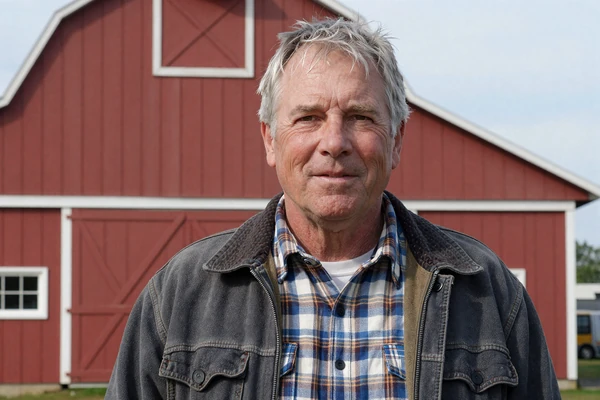
Harvest Suppers (Sept-Oct)
Church harvest dinners, fall festivals, and the county fair final weekend. Low-pressure, familiar faces, a potluck table to stand beside.
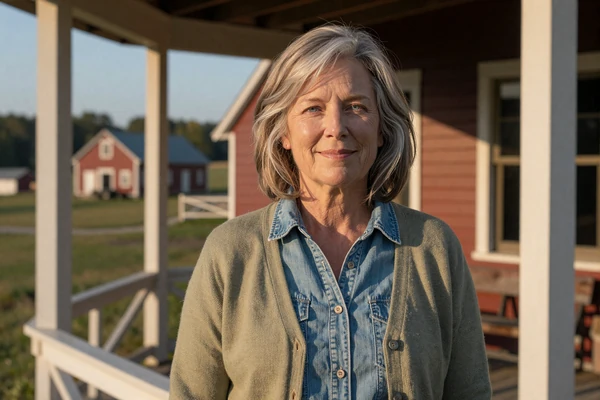
Christmas on the Farm (Dec)
Tree cutting in the back woods, cookie baking, candlelight service. Share one tradition that mattered to your late spouse - and invite one new one to begin.
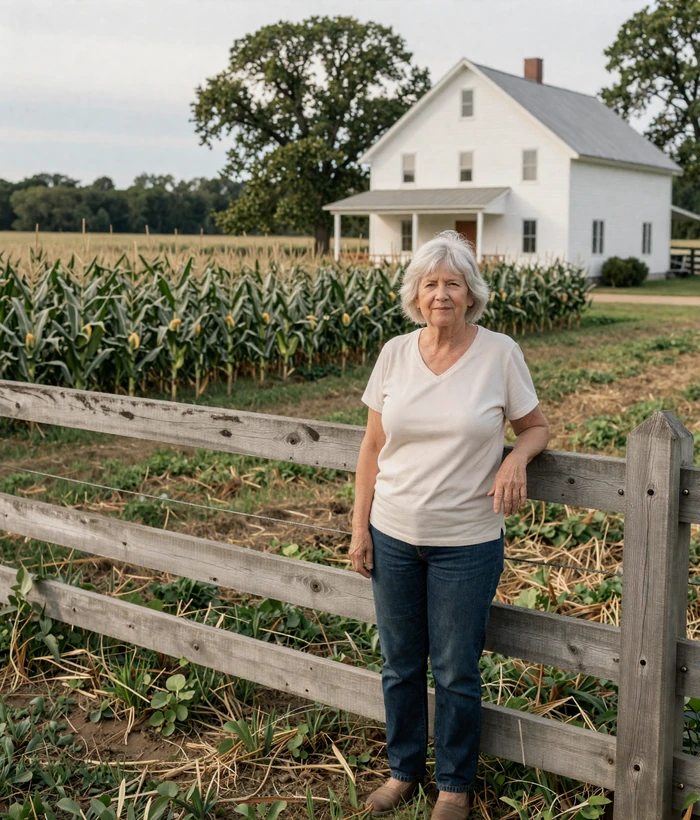
First Planting Weekend (Apr-May)
Seed catalogs by the fire in February become a shared garden by May. Planting the first row together is quietly one of the most romantic dates two farmers can have.
Four Ways to Plan Dates Around the Weather
Country dating means one eye on the radar. Here is the approach our members use most, refined over many winters.
-
01
Pick an Indoor Backup
Every outdoor date needs a rainy-day twin. The farmers market becomes the diner. The hike becomes a museum. Decide the backup when you make the plan.
-
02
Watch the Seven-Day, Trust the Three
Rural weather is fickle. Make a tentative plan a week out, confirm it three days out, and never apologize for moving it if the sky turns.
-
03
Meet Halfway When Roads Are Good
If you are dating two counties over, save the long drives for clear days. Short, closer visits in bad weather beat one missed long drive every time.
-
04
Keep a Standing Virtual Date
One evening a week, same time, phone or video. Weather cannot cancel it, and it becomes the anchor your relationship holds onto through ice storms and heatwaves alike.
A Real Country Couple Who Beat the Seasons
Ginny, 80, and Harry, 87, knew each other as children and reconnected decades later at their local Pennsylvania Senior Center - Harry shooting pool, Ginny volunteering. Harry had been widowed after a 59-year marriage and told her plainly he only wanted a "pal," nothing more. For eight years they were companions through every season: summer picnics, winter card games, spring walks.
Then, quietly, Harry changed his mind. They married in September 2021, a story lovely enough that the New York Times Weddings column featured it that November. Their lesson for the rest of us is simple: companionship that survives eight full cycles of the calendar is already love - whether or not anyone has named it yet.
We had eight years of Tuesday pool games and church suppers before he ever proposed. Every season we spent together just made the next one easier to picture.
Season-Proof Your Rural Relationship
Three more reads our members return to as the calendar turns.
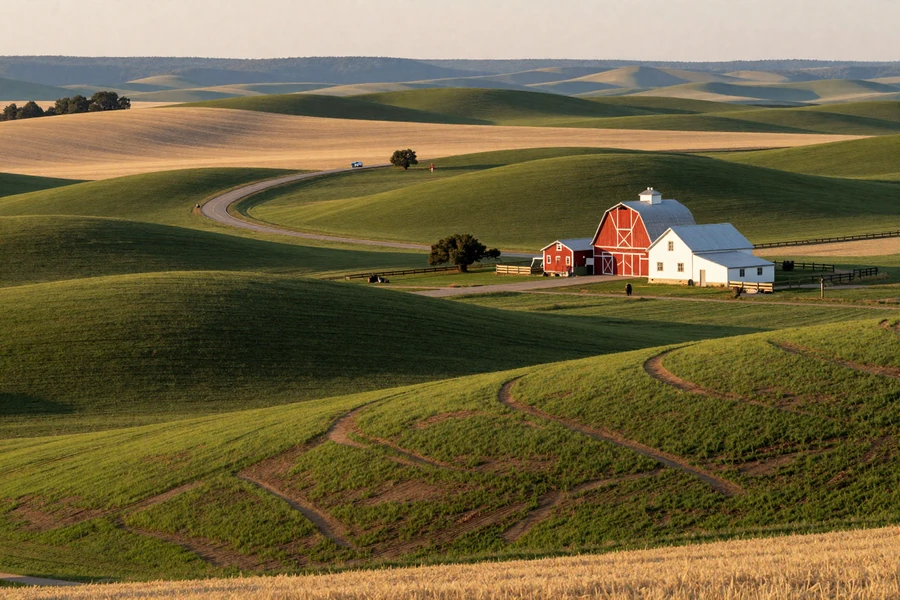
Long-Distance Rural Relationships
How to manage the miles between two farms - scheduling visits, video-date ideas, and handling loneliness between weekends together.
Read the guide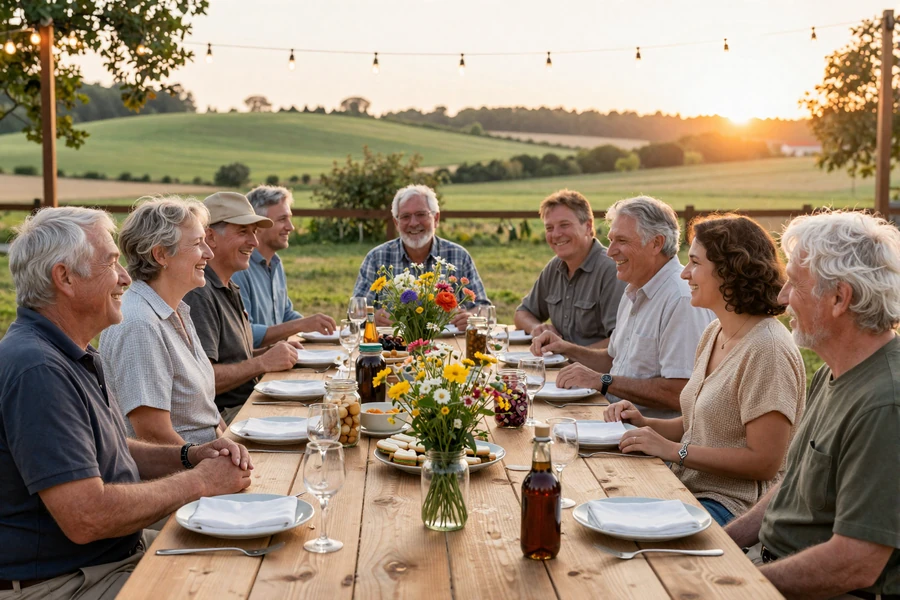
Life on a Farm and Relationships
Daily rhythms, sharing workload, and keeping romance alive through the busy seasons of a working farm.
Read more
How to Date a Farmer
What city daters wish they had known, in plainspoken rural English. A warm primer for anyone new to our way of life.
Read the primer